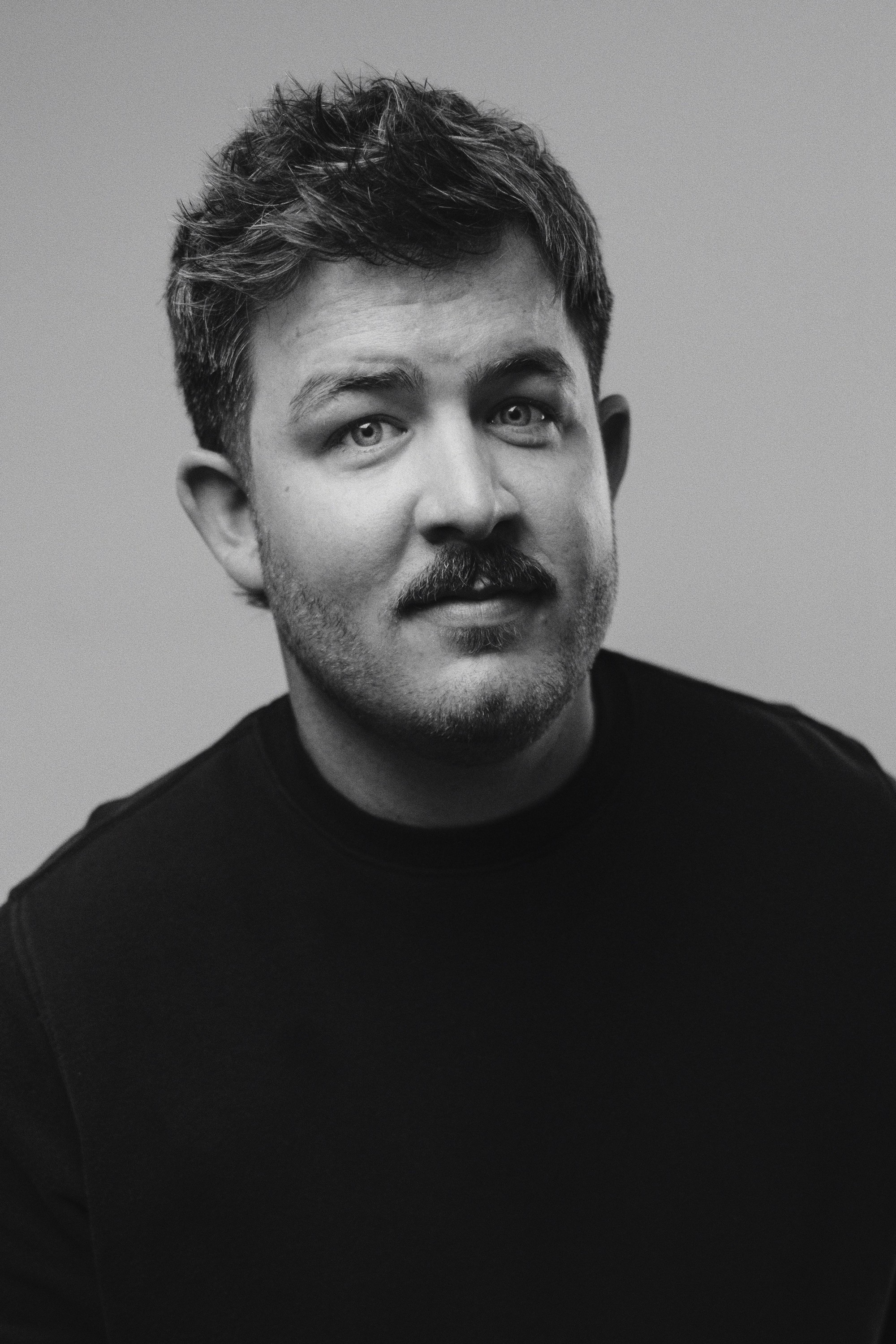
Dakota Corbin is a design leader, educator, and systems thinker based in Utah. Originally from Florida's Emerald Coast, he has spent the last decade helping organizations build stronger brands, better digital experiences, and more scalable creative operations.
With a degree in Psychology from Utah Valley University, Dakota's path into design was anything but traditional. Much of his design education came through hands-on experience, learning by doing, and years of working alongside talented marketers, creatives, and product teams. That unconventional journey shaped a perspective that continues to influence his work today: great design isn't just about aesthetics—it's about creating meaningful outcomes.
Throughout his career, Dakota has worked across nearly every discipline within the creative industry, including brand design, web design, UX, creative direction, content production, and design operations. He currently serves as Associate Creative Director at BILL, where he leads initiatives focused on web experience, design systems, creative enablement, and scalable workflows that help teams move faster while maintaining quality and consistency.
In recent years, Dakota has become increasingly interested in the intersection of design, systems thinking, and artificial intelligence. He believes the future of creative work will belong to teams that successfully combine human creativity with intelligent tools, scalable systems, and a relentless focus on business impact. His work increasingly explores how AI-native workflows can help creative teams reduce friction, improve quality, and unlock new opportunities for innovation.
In addition to his work at BILL, Dakota teaches UI/UX design at Utah Valley University, where he helps the next generation of designers develop both the craft and strategic thinking required to succeed in modern design organizations.
He is also the author of Designed for Impact, a newsletter exploring how great design creates business impact through strategy, systems, leadership, and emerging technology.
When he's not thinking about design, you'll likely find him spending time with his wife and four daughters, on a golf course, eating sushi, or searching for the perfect balance between creativity, technology, and human connection.